Kraft paper is everywhere in packaging, but a lot of people still just call it “brown paper” and move on. It’s actually made using a process that keeps the wood fibers longer and stronger than regular paper. That’s why you see it in shopping bags, mailers, corrugated boxes, and even heavy industrial sacks.
Most people misunderstand kraft paper, as it isn’t one single material. The type of fiber, how heavy it is, whether it’s bleached or left natural, if it has a coating, and how much recycled content is in it all change the way it performs. Pick the wrong grade, and you can run into problems with strength and printing. There can be issues like moisture and recycling. We have the differences so you can choose something that actually works.
The fiber source, basis weight, recycled content, coating, and bleaching methods heavily influence. The finished material is preferred by eco-friendly brands as it holds a distinction in prevention from choosing paper based on appearance alone when protection, converting speed, print quality, and regulatory suitability carry commercial weight.
What Is Kraft Paper?
Kraft paper is a natural paper that is produced with pulp made through the kraft process. A fitting name because the pulping methodology preserves strong cellulose fibers.
While efforts for sustainable packaging have risen, the global sustainable market is expected to reach $393 billion by 2028, which shows a bigger trend of the world tilting more towards sustainable resources. However, when we narrow down, it is pertinent that not every paper is kraft paper, and not all papers perform alike at kraft grade. It has been named after a German word, “Kraft,” which means strength.
Natural kraft usually looks brown because it is not fully bleached. Its recognizable shade comes from the remaining color of wood fiber, although the exact tone varies among mills, furnish blends, and recycled content.
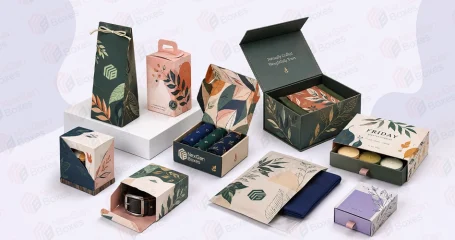
Kraft paper is light in weight and flexible. They are converted into heavier paperboard structures. It can become wrapping paper, shopping bags, sacks, and folding cartons. These can also be used for corrugated linerboard and protective cushioning. These can also be customized for a printable surface for custom packaging.
The term is confused with craft paper, a broad retail description for paper used in art projects. Kraft paper refers to a material associated with the kraft pulping process and industrial performance.
How Is Kraft Paper Made?
Production begins with debarked wood cut into controlled chips. Softwoods such as pine and spruce are valued for longer fibers, while hardwood fibers may be blended to adjust formation, surface, and printing characteristics. We refine the raw materials to give it an enhanced brown kraft paper look, which also fulfills sustainability goals.
The chips enter a digester with white liquor, primarily a solution of sodium hydroxide and sodium sulfide. Heat and pressure help separate lignin, the substance binding wood fibers, from the usable cellulose pulp. From brown wrapping paper to bleached paper, it has been known as a versatile material for paperboard packaging.
The spent cooking liquid is known as black liquor. Kraft mills commonly concentrate and process it in recovery systems that reclaim inorganic chemicals and use dissolved organic material as an energy source within the mill.
Properties That Matter in Packaging
Strength is kraft paper’s best-known attribute. These have quite long, well-bonded fibers which can provide useful tensile strength. It has the highest tear resistance and puncture performance, helping bags. It is known for wrapping, and box components withstand packing, lifting, stacking, and transportation.
Porosity affects how paper absorbs ink, adhesive, moisture, oil, or a functional coating. A porous sheet may suit impregnation or certain converting processes, but direct product contact could require a specifically designed barrier treatment.
Surface finish affects print reproduction. Natural kraft creates an earthy, muted background that changes lighter colors. White or bleached kraft offers greater color contrast, while smoother grades support finer graphics and smaller typography.
Main Types of Kraft Paper
Below are some major grades of kraft paper, and each grade has its own functionality. From being aesthetically appealing to sustainable, this material baseline has the following grade substrates.
Kraft paper is naturally derived from chipboard pulp, popular for its porous, natural brown color. It takes the lead as a durable yet adaptive, eco-conscious packaging solution, from retail product lines to organic assortments of products they are known as a sustainable alternative to other wraps. It is recyclable in nature has a lower carbon footprint, and is chosen by brands and businesses that prefer ultra-green branding.
NUK (Natural Unbleached Kraft)
Natural unbleached kraft, often shortened to NUK, retains its familiar brown color. It generally offers strong performance with limited processing and is widely used for sacks, wraps, mailers, corrugated linerboard, and industrial packaging.
Bleached Kraft Paper
Bleached kraft is treated to produce a white or lighter surface. It gives designers a more neutral print base, making bright colors, photography, and fine branding easier to reproduce on premium cartons, bags, and mailers.
SBS (Solid Bleached Sulfate)
Solid bleached sulfate is a premium white virgin wood board that gives the finest print quality. It is a paperboard material most popular among the gifting, electronics, and cosmetics industries. It is known for its remarkable color vibrance and a clean texture.
CUK (Coated Unbleached Kraft)
CUK is the finest kraft grade, which uses virgin fibers to provide maximum strength; the moisture resistance makes it an ideal choice. These are best suited for frozen foods and beverage carriers.
CRB (Coated Recycled Board)
CRB is made from 100% recycled fibers, featuring a white printed front and a grey or brown back, which serves as the most economical and eco-friendly choice for lightweight everyday goods like cereal boxes.
Recycled Kraft and Testliner
Recycled kraft style papers use recovered fiber in varying proportions. In corrugated packaging, testliner refers to recycled-fiber-based liners. When we discuss kraftliners, they traditionally contain a higher proportion of virgin kraft pulp.
Sack Kraft Paper
It is a strengthened, solid sack kraft-based packaging that is manufactured for carrying heavy products. These include industrial products like cement, chemicals, and agricultural products. Although flour can be contained within it has excellent energy absorption and tear resistance. It involves controlling porosity and ensuring reliable performance while the filling takes place.
Coated and Barrier Kraft Paper
Barrier linings can be added to kraft paper alongside the coatings so it can be able to survive moisture, oxygen, heat sealing, and water drops. The treatment expands to further retail applications but changes repulpability, product compatibility, and an array of options.
Common Kraft Paper Applications
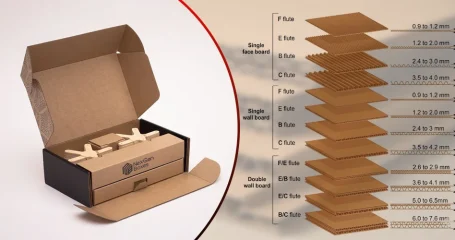
Corrugated boxes are a major application. Kraftliner or testliner forms the flat facings around a fluted medium. Together, these layers create a lightweight structure that resists compression and protects products through storage and distribution.
Food businesses use kraft for bakery bags, takeaway wraps, sleeves, trays, and pouches. Yet brown paper is not automatically food-safe. The complete construction must suit the food type, temperature, contact duration, and applicable regulations.
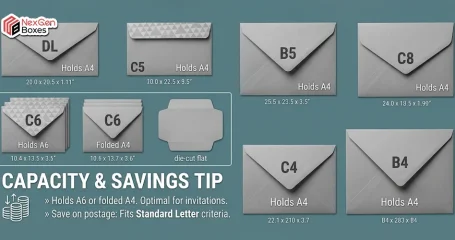
Ecommerce brands use kraft mailer boxes, envelopes, paper tape, void fill, and crinkle paper. These components can create a coordinated unboxing experience. This helps protect goods and reducing reliance on plastic cushioning where paper performs adequately.
Printing and Customization Considerations
Natural kraft changes printed color because the brown substrate shows through translucent ink. White underprinting can improve brightness, although it adds production steps and should be tested with the chosen printing process.
Flexographic printing is widely used for bags, corrugated packaging, and longer production runs. Standard corrugated boxes are mainly constructed from kraft material, as both the flat outer walls and inner layer feature a brown kraft-like feel. Digital printing can support shorter runs, prototypes, versioned artwork, and faster setup, depending on the converter’s equipment and sheet specification.
NexGen Boxes recommends approving a physical sample whenever color accuracy, fine detail, coating, or structural fit matters.
Is Kraft Paper Sustainable?
Kraft paper can support lower-impact packaging when responsibly sourced, right-sized, reusable, and accepted by local paper recycling systems. It should not receive automatic environmental credit because it looks natural.
Uncoated, clean paper is generally easier to recover than heavily laminated or food-contaminated material. Coatings, adhesives, windows, foil, wet strength additives, and product residue can influence whether a local facility accepts the package.
FSC certification can provide verified information about responsible forest sourcing and chain of custody. A business should use FSC claims or trademarks only when the material, supplier, printer, and labeling arrangement meet the relevant requirements.
Compostability also needs evidence. Breakdown depends on fiber composition and coatings. The factors responsible for compostability involve inks, adhesives, and thickness. Moreover, other aspects responsible include temperature, moisture, oxygen, and the composting environment. Businesses should avoid promising a fixed decomposition time without testing and certification.
The most credible sustainability decision often starts with less material. A well-fitted box, suitable board grade, limited mixed components, and clear disposal instructions may deliver more value than an unsupported green claim.
How to Choose Kraft Paper for Packaging?
Begin with the product, not the brown appearance. Record its dimensions, packed weight, fragility, surface sensitivity, moisture exposure, grease exposure, storage conditions, shipping method, and expected handling.
Then define the package format and performance target. Before committing to a bulk order, you can ask us about the basis weight, caliper, recycled content, and fiber composition. Furthermore, you can inquire about the strength data, barrier properties, print surface, and fold endurance. We use FSC-certified paper-based materials, so you don’t have to worry about the certifications and minimum order quantity.
Compare physical samples under realistic conditions. The RGB on screen cannot depict the original kraft color composition. Pack the actual product, test closures, inspect print, expose the sample to expected humidity, and assess stacking or distribution performance before approving a full production run.
For food contact, request documentation that applies to the exact finished construction and intended use. For sustainability claims, verify sourcing, coating compatibility, and the recovery options available where customers will discard the package.
NexGen Boxes can tailor kraft boxes around structural needs and brand presentation, from natural mailers to custom printed retail packaging. The right result feels simple, but every successful specification begins with detailed questions.
Frequently Asked Questions
Is Kraft Paper Waterproof?
Natural kraft paper, which is untreated, is not waterproof. We at NexGen Boxes can treat it through procedures so it doesn’t lose its strength when exposed to moist conditions. There can be coatings, and an array of laminations and barrier-linings added to keep its tensile strength resistant to water.
Is Kraft Paper the Same as Cardboard?
Kraft paper has its unique properties and is different than cardboard and kraft is among pulp and paper family. Cardboard is a heavier paper-based material popular for imprecise everyday retail packaging needs. Kraft fibers can be used in paper, paperboard, linerboard, and corrugated packaging.
Can Kraft Paper Be Recycled?
There are many instances in which uncoated kraft paperboard can be recyclable. However, it varies for coated, laminated, bleached, wet-strength, and mixed materials the local guidelines have to be checked before committing a recycling program.